
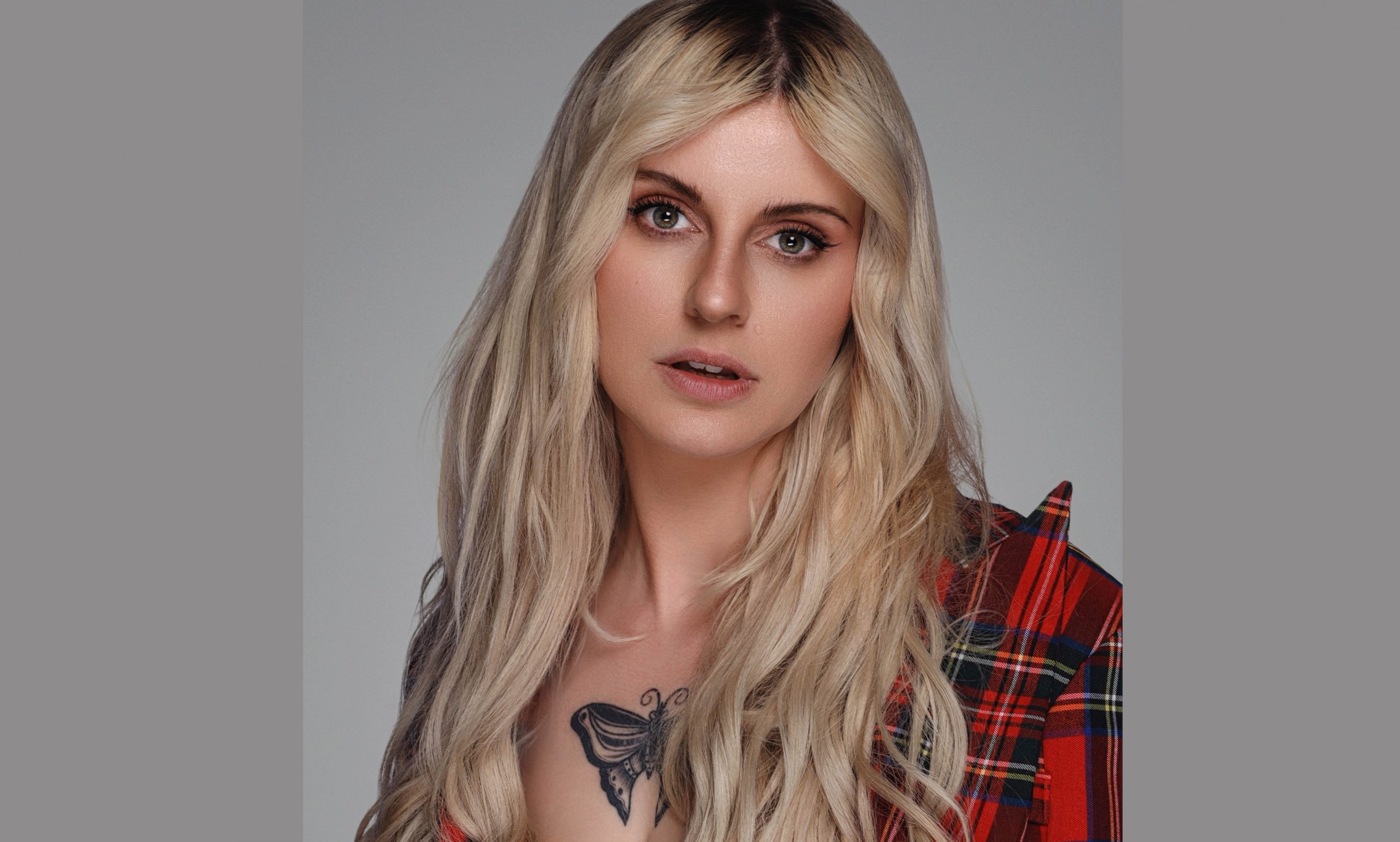
Heffy Wheeler, owner of Hx Hair and Manic Panic Artist, gives her personal experience on making salon visits accessible for neurodivergent clients and staff, including quiet appointments, a calm atmosphere and the importance of predictability.
When we talk about accessibility in hairdressing, we often think about the physical salon environment. But accessibility goes much further. We also need to consider how a salon sounds, feels and operates and whether the experience we’ve created works for different types of people.
As an autistic salon owner with ADHD, this is something I’m incredibly passionate about. I’ve experienced first-hand how an environment that feels completely ordinary to one person can be overwhelming to someone else.
Salons are naturally busy places. Hairdryers, music, conversations, bright lighting, strong smells and constant movement all create sensory input. Add in physical touch and the expectation to chat throughout an appointment, and what should be an enjoyable experience can become exhausting.
The answer isn’t making every salon silent. It’s giving people more choice.
We often associate great service with being attentive and chatty. For some clients that’s exactly what they want, but for others, great service means being able to sit quietly without feeling uncomfortable or rude.
At Hx Hair, we offer quiet appointments, removing the expectation of conversation. It’s a simple adjustment that can completely transform someone’s experience.
Clients might also need to know what is happening before each stage of their service, want a break during a longer appointment or prefer to wear headphones. The important thing is creating an environment where asking for these adjustments feels completely normal.
Too Loud, Too Bright, Too Much
Salon professionals become so accustomed to their surroundings that we often stop noticing how much is going on. Take a moment to consider your salon from a client’s perspective. How bright is it? How many different sounds are competing with each other? Are there strong fragrances? Is there somewhere quieter to sit?
You can’t remove every sensory trigger from a working salon, but small adjustments can make a big difference. Turning down music, choosing a quieter chair or explaining what you’re going to do before touching a client’s hair can make an appointment feel far more manageable.
Predictability is particularly important. Something that’s routine to us, for example spraying water, moving someone’s head or introducing a hot tool, might feel unexpected to somebody else. Simply explaining what’s coming next gives the client more control.
Both Sides of the Scissors
Think about your team too. Neuroinclusion isn’t only about clients. Our industry is full of creative people who think, learn and communicate differently.
An exceptional hairdresser might struggle with written instructions, find sudden changes difficult or need somewhere quiet during breaks to reset after hours of client interaction.
Good management isn’t about expecting everyone to work in exactly the same way. It’s about understanding what allows each person to perform at their best.
Being autistic and having ADHD has influenced how I run my own business. There are challenges, but there are also strengths, and my experiences have made me more aware of how differently two people can experience exactly the same situation.
Start by Listening
Salon owners don’t need to be experts in every diagnosis to become more inclusive. Start by asking rather than assuming. Give clients choices, make it easy to communicate preferences, explain what you’re doing and respect someone who doesn’t want to talk. Importantly, a client shouldn’t need to disclose a diagnosis to justify asking for a different experience.
Many changes designed with neurodivergent clients in mind can benefit everyone – from someone experiencing anxiety or chronic illness to a client who simply wants an hour of peace. That’s why I don’t see neuroinclusion as a specialist service. I see it as better client care.
If our industry can become more flexible, curious and willing to listen, we can create salons where more people genuinely feel comfortable being themselves – on both sides of the chair.