
Created by Fancy hairdressers Jacob Khan, Ben White and Aly Davis, this exuberant collection celebrates the texture, volume and playful excess of an era that continues to shape beauty today.
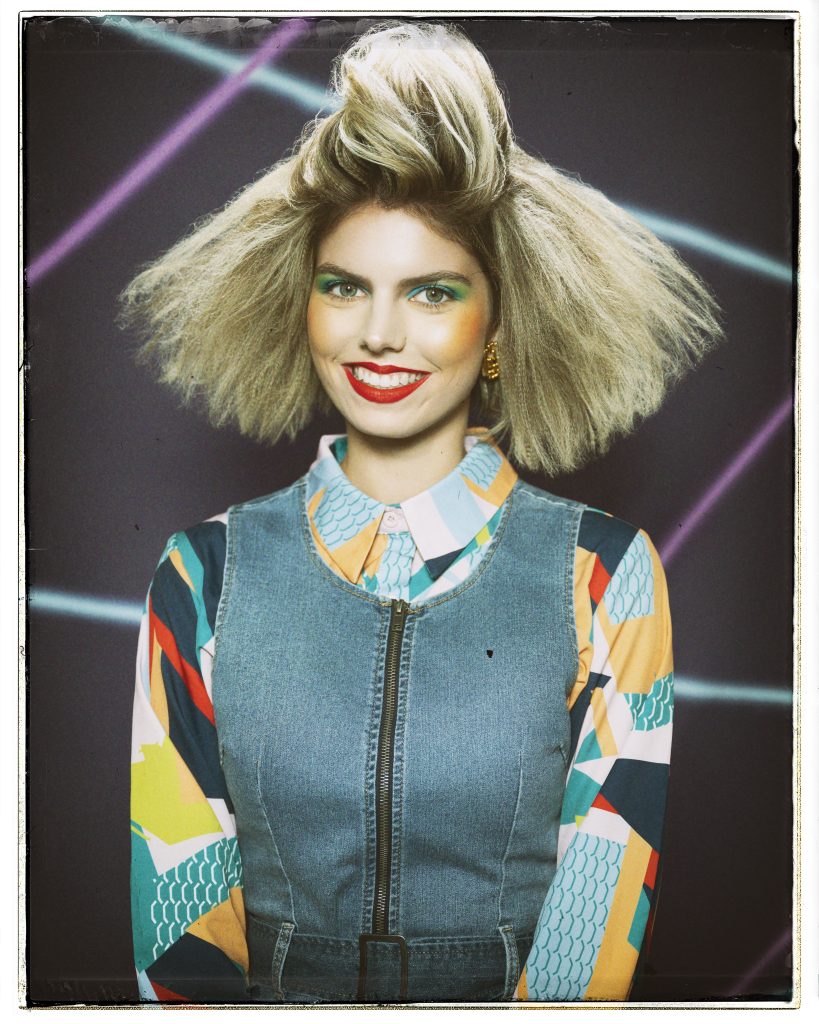
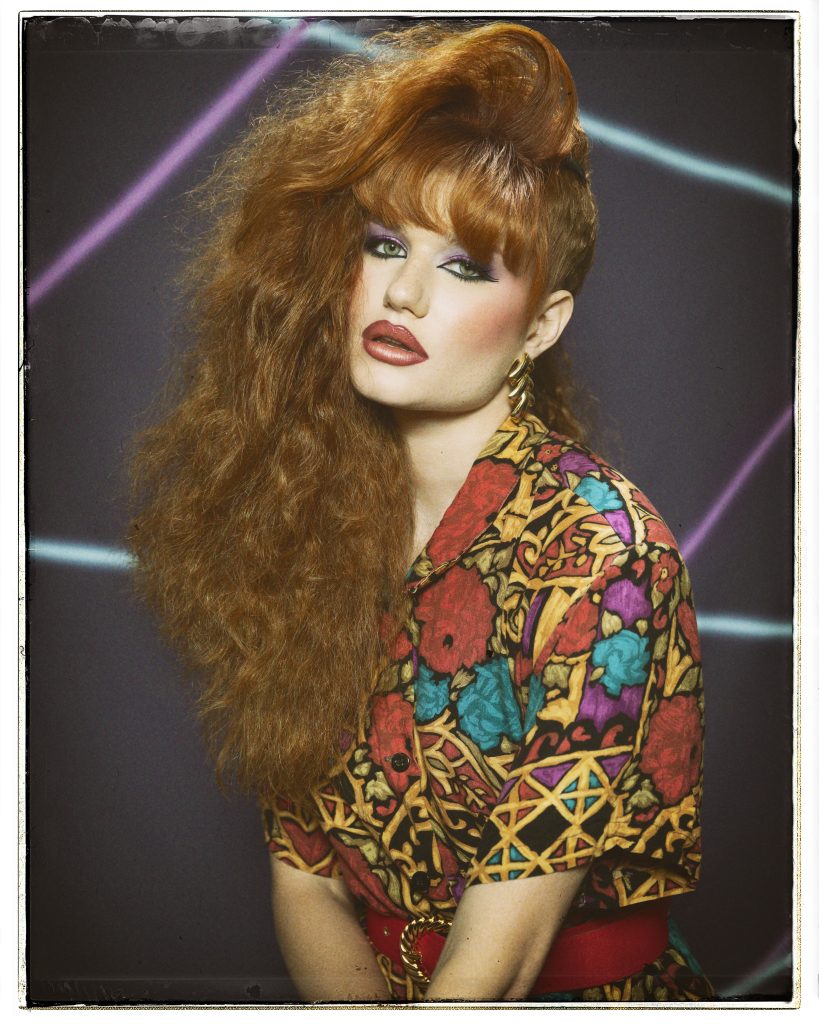
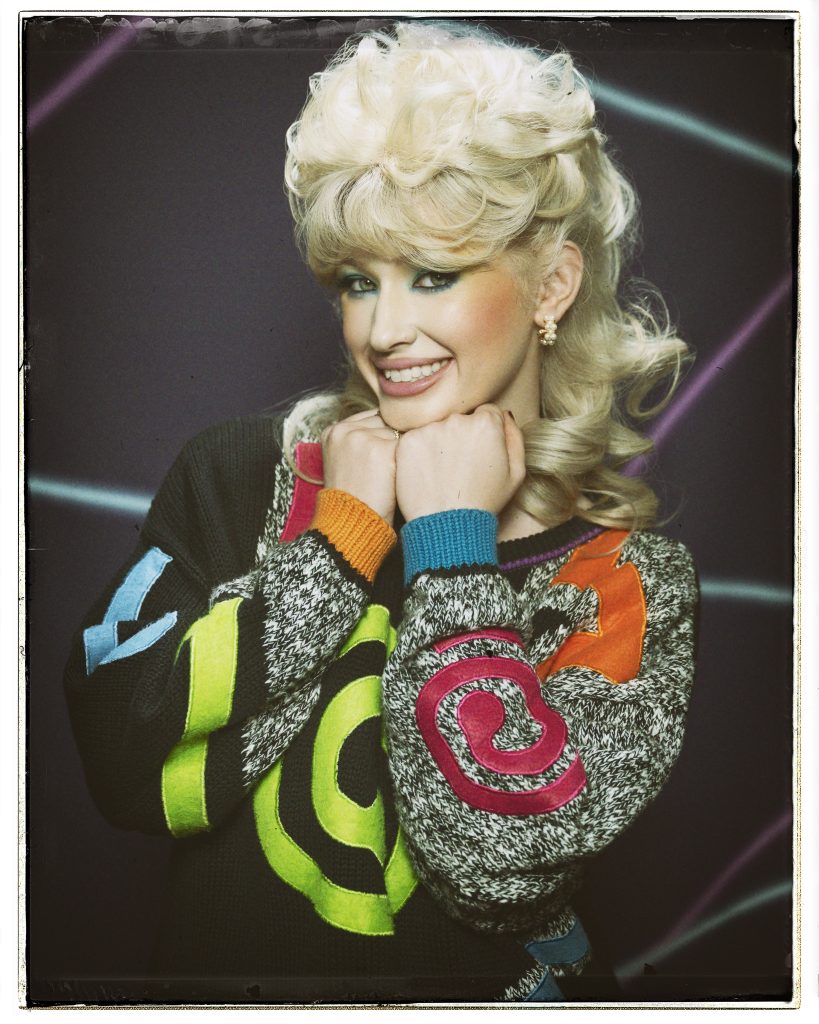
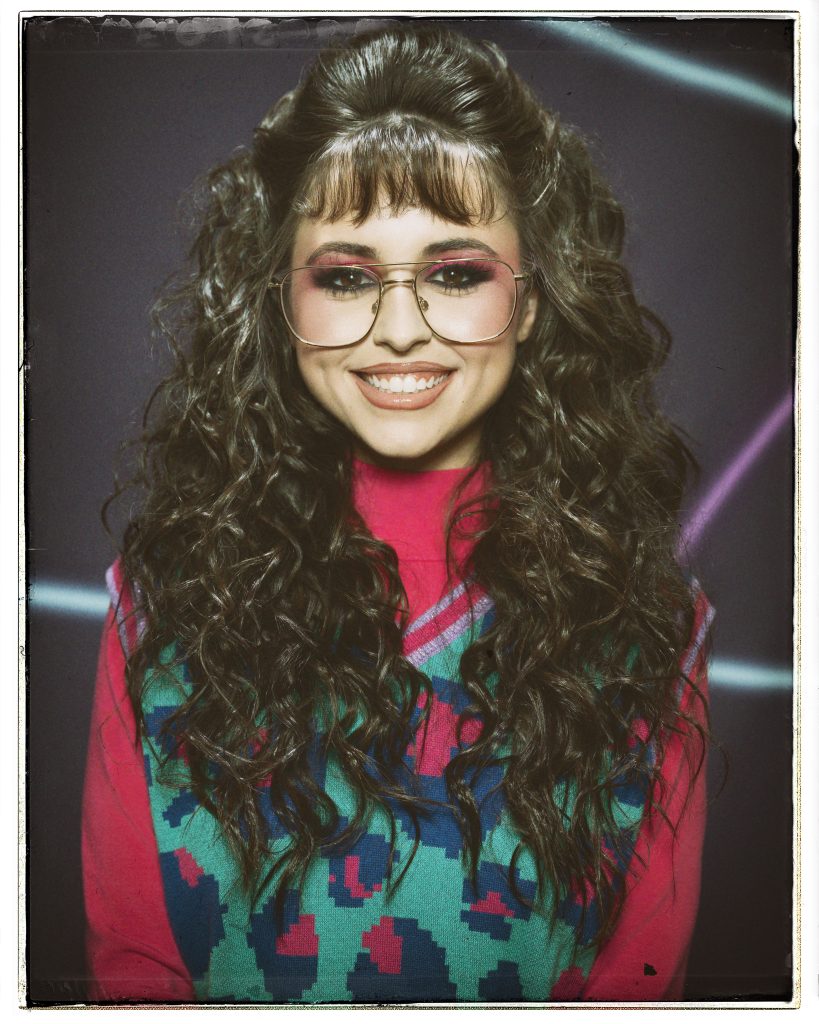
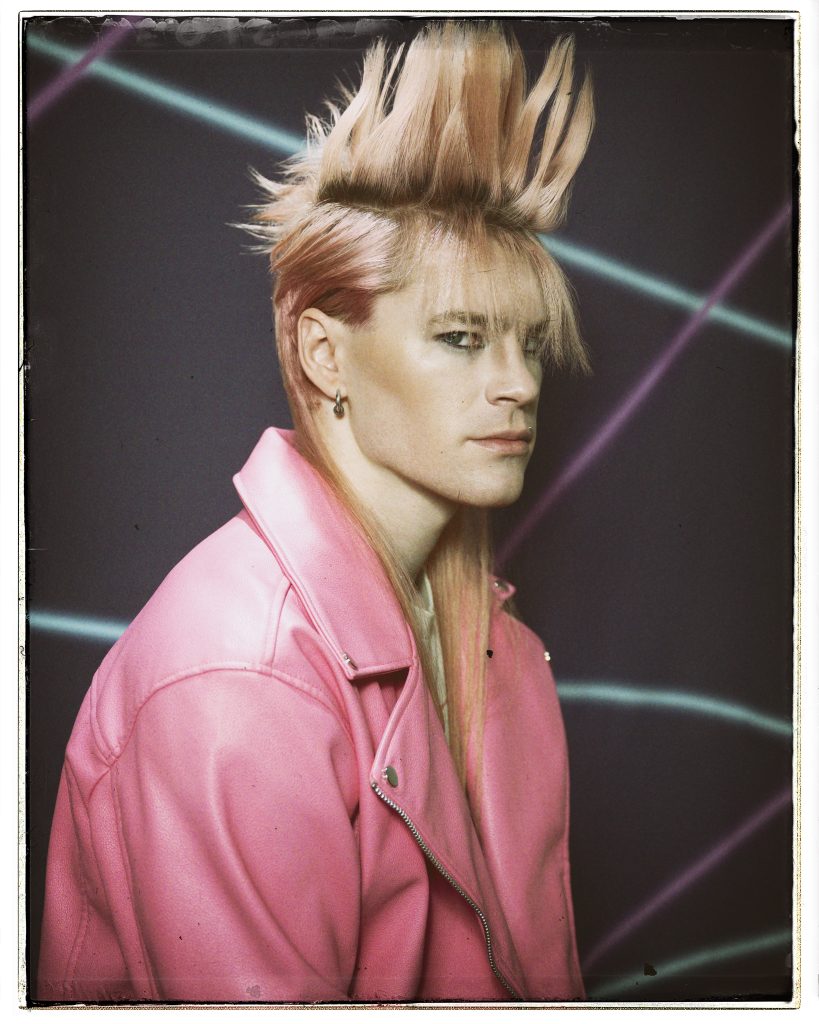
Long before social feeds filled with AI-generated yearbook portraits, Fancy hairdressers Jacob Khan, Ben White and Aly Davis were already looking back to the gloriously excessive style of the 1980s.
Shot a year ago, their collection arrives at an unexpectedly timely moment. The recent trend for transforming modern selfies into nostalgic ’80s portraits has renewed interest in the decade’s unmistakable visual language– but the Fancy team’s interpretation is decidedly human. Created with photographer Richard Monsieurs and stylist Jennifer Daniels, the shoot combines technical artistry, humor and a wholehearted embrace of the imperfect.
For Ben White, the original inspiration came from the wonderfully awkward school portraits of the ’80s and early ’90s. “We picked the theme for our shoot based on funny school yearbook photos from the ’80s and early ’90s, when some of us were in school,” he explains.
“Our whole brand is based on not taking ourselves too seriously and trying to do things outside of the box.”
It was an era made for that approach. Hair was bigger, fashion was brighter and restraint was rarely the goal.
“’80s hair and fashion were so loud and colorful that we thought it would be funny,” Ben said. “We knew no one else would do something like that. We hired the best photographer, Richard Monsieurs, and the best stylist, Jennifer Daniels, and really tried to make it over the top.”
An Era of Exaggeration
The humor may be central to the collection, but the artists’ appreciation for the period runs deeper than parody. “The ’80s were such an iconic and influential time for hair and fashion,” says Jacob Khan. “The ripple effects from that era are still directing so many of the choices we make today.”
What especially appeals to him is the decade’s combination of creative commitment and joyful absurdity.
“There’s something wonderfully unserious and campy about it—which is kind of exactly our vibe,” Jacob says.
“It didn’t take itself too seriously. Everything was exaggerated, over the top and completely committed. For an era that could be so ridiculous, it somehow became incredibly influential.”
Aly Davis was equally drawn to its instantly recognizable aesthetic. “We chose the ’80s theme because it’s fun and such an iconic time for hair and fashion,” she says. “Everything was louder, wilder and less polished.”
That lack of polish feels particularly striking now. After years dominated by sleek blowouts, controlled finishes and carefully curated images, the collection makes a persuasive case for frizz, movement and personality.
“If I could bring back one trend from the ’80s, it would have to be extreme texture,” Aly says. “We are in such an era of polished looks and blowouts—which are beautiful—but I love how the ’80s embraced texture, volume, more flair and the imperfect.”
Ben also hopes the period’s sense of adventure will make a return. “I like the kind of crazy fashion and hair,” he says. “Everything was so much more colorful, and people seemed more adventurous.”
Jacob, meanwhile, finds fresh potential in one of the decade’s most divisive cuts: the mullet. “Growing up in the South, the mullet can have a very different connotation, which is part of why I love taking it and flipping it into something genuinely fashionable,” he says. “Less ‘I cut my own hair and couldn’t reach the back of my head,’ more editorial fashion.”
The AI Question
The timing of the collection inevitably places it in conversation with the current wave of AI-generated ’80s portraits. All three artists recognize nostalgia as part of the trend’s appeal, though their feelings about the technology itself differ.
“I think people love anything that is nostalgic for them, so they find fun in creating those trends,” Aly says. “We had this shoot idea for quite a while before this trend ever came around.”
For Aly, however, there is a clear distinction between casually experimenting with an AI hairstyle reference and relying on the technology as a creative professional.
“I firmly believe that AI and creativity don’t belong in the same space – especially in the hair industry,” Aly says.
“When working behind the chair, I don’t necessarily mind AI hair inspiration. But when it comes to stylists and creators, I find it counterproductive to become reliant on AI when the basis of our entire industry is creativity.”
She believes artists have a responsibility to protect the human imagination at the heart of their work: “I feel it should be our responsibility to push back on allowing AI to invade our industry rather than embracing it.”
Jacob offers an equally pointed assessment of the trend’s rapid adoption. “I think the nostalgia and over-the-top nature of the ’80s definitely play a part,” he says.
“But I also think people love jumping on a trend because it’s easier than having an idea of your own. That’s probably a slightly cynical answer, but it’s true.”
With a laugh, he adds that the team can prove its concept predates the online craze: “Luckily, we shot this collection months before the AI trend surfaced, so I have the receipts.”
White takes a more open-ended view, comparing today’s uncertainty around AI with the early public response to home computers and the internet. “It’s still so new that most people don’t really understand what it even means,” he says. “People talk about it in such vague and general terms, and no one really knows what it is or isn’t.”
He also questions where people draw the line between AI and other forms of digital image manipulation. “I think it’s funny when people are overly critical about AI but are fine using Photoshop to edit photos or using filters.”
Together, their perspectives reflect a wider conversation unfolding across the creative industries. Yet the collection itself offers a compelling argument for the enduring value of hands-on collaboration: hair shaped by artists, clothing selected by a stylist and characters captured through a photographer’s eye.
Enter the Time Machine
For anyone inspired to create their own ’80s transformation, the artists’ advice is simple: stop seeking perfection. “Embrace the imperfect,” Aly says. “Lean into the frizz, the volume and the unpolished. And hairspray, hairspray, hairspray.”
Jacob wholeheartedly agrees.
“Embrace the brush-out. Embrace the frizz. Embrace volume. Stop trying to make every single hair perfectly smooth and controlled. And for the love of God, don’t skimp on the hairspray.”
The collection may look to the past, but its message feels entirely current. At a time when technology can generate nostalgia in seconds, Fancy’s celebration of the ’80s reminds us that genuine creativity can be messy, collaborative, funny and gloriously imperfect.
Most importantly, it should never be afraid to take up space.