
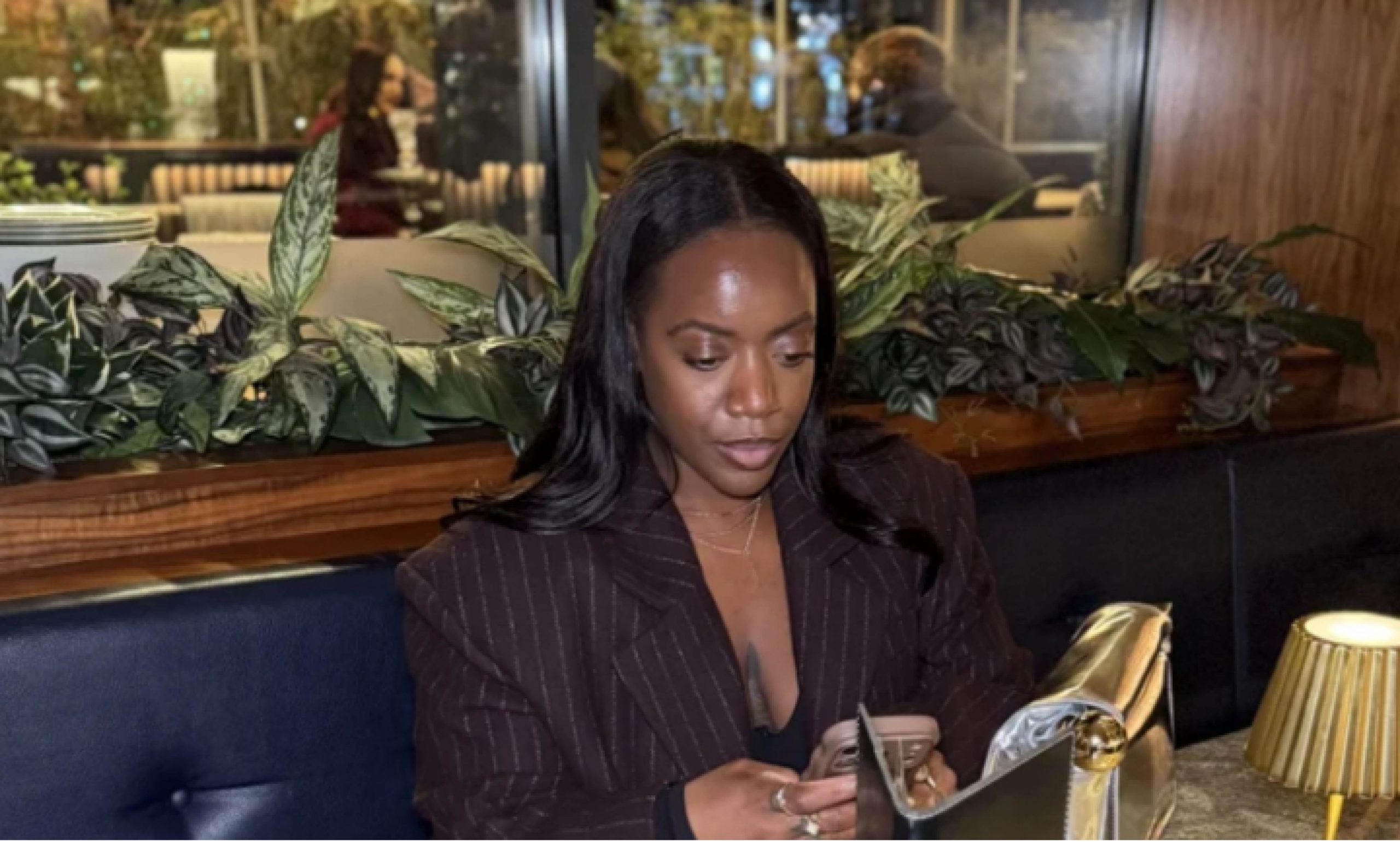
This September, leading session stylist, Naomi Brooks, will be hosting a London Texture in Session Masterclass on Sunday 13th September at Mash Studios.
Naomi is an educator and Co Founder of Ascend- a creative co working space based in Manchester.
With over 20 years in the industry, Naomi is widely respected as an expert in Afro and textured hair. Her deep knowledge of natural and protective styling, healthy-hair techniques and maintenance underpins both her on-set work and the clientele she regularly works with.
Naomi believes with education, comes inclusivity. She chats about the need for increased education surrounding Afro and textured hair and why she continues to teach.
“For me, becoming an educator was never about adding another title to my career. It came from recognising a gap in our industry that had existed for far too long.
After more than 20 years in hairdressing, specialising in Afro and textured hair, I’ve been fortunate enough to work across salon, editorial, fashion and education. Every experience has shaped me as a stylist, but one thing has remained consistent throughout my career, textured hair has too often been treated as a niche, rather than an essential part of professional hairdressing.
Time and time again, I’d meet stylists who genuinely wanted to learn but had never been given the opportunity. Many had completed their qualifications without receiving meaningful education on textured hair, leaving them lacking confidence when clients with curls, coils and Afro hair sat in their chair. It wasn’t because they didn’t care. It was because the education simply hadn’t been there.
Rather than accepting that as the norm, I knew I wanted to change this.
Moving into education wasn’t driven by wanting to teach techniques alone. It was about helping to raise standards, challenging outdated thinking and creating a more inclusive hair industry where every client can expect knowledgeable, professional care, whatever their hair type or texture.
When I teach, I focus on far more than cutting or styling. I teach understanding. Understanding curl patterns, product selection, hair health, protective styling, consultation and texture-specific techniques. Most importantly, I want people to understand why different approaches are needed, rather than relying on a one-size-fits-all method, it needs to be bespoke to the client in the chair.
That philosophy has become the foundation of everything I do.
Education has allowed me to extend my impact far beyond the salon. I’ve had the privilege of mentoring professionals, delivering specialist education and supporting initiatives that help foster carers and social workers understand the cultural importance and practical care of Afro and textured hair. Those experiences have reinforced my belief that education isn’t just about creating better stylists; it’s about improving confidence, identity, and representation within our wider communities.
For me, education is an opportunity to make our industry more inclusive than it was when I first started my career.
When I began there wasn’t the level of structured education around textured hair that we should have had, there still isn’t. Rather than allowing that experience to become a limitation, I chose to use it as motivation to create the kind of learning environment I wish had existed for me.
Everything I teach is rooted in real salon experience. Every technique has been refined behind the chair, every piece of advice comes from working with clients, creating editorial looks, styling backstage, and continually developing my craft. I want people to leave my courses and walk back into their salons feeling confident enough to put their new skills into practice straight away.
The hair industry continues to evolve, and our clients’ expectations are evolving with it. Today’s clients expect their stylist to feel confident working with every texture. They want professionals who understand healthy hair as well as beautiful results. That means education is no longer a luxury, it’s a responsibility.
That’s something I feel incredibly passionate about.
One of the most rewarding parts of teaching is seeing confidence grow throughout the day. I often meet stylists who arrive feeling nervous about textured hair because they’ve simply never had the chance to learn. By the end of the session, they’re asking questions, trying new techniques and realising it’s not as intimidating as they imagined. Seeing that transformation and confidence grow is exactly why I continue to teach and strive for inclusivity in education.
This September, I’ll be bringing all of that experience together in my London Texture in Session Masterclass on Sunday 13th September at Mash Studios. Designed for hairstylists, session artists and makeup artists who wish to deepen their understanding of textured hair, the masterclass is equally suited to established professionals expanding their technical repertoire and those looking to transition into editorial and session work.
It’s an opportunity to immerse yourself in texture. It’s not just about learning techniques, but developing a more informed, intuitive approach to working with every hair type, and building the confidence to bring that understanding into both session and salon environments.
My goal isn’t simply to demonstrate techniques or follow trends. It’s to help stylists develop a genuine understanding of textured hair and leave with practical skills they can immediately apply behind the chair.
Ultimately, becoming an educator has never been about standing at the front of a classroom. It’s about opening doors that were once closed, helping raise standards across our profession, and ensuring textured hair is no longer treated as an afterthought within hairdressing education.
If everyone who attends one of my classes leaves with greater confidence, broader understanding, and the ability to provide a better experience for every client who sits in their chair, then I’ve achieved exactly what I set out to do. That’s why I started teaching, and it’s why I continue to do it.”